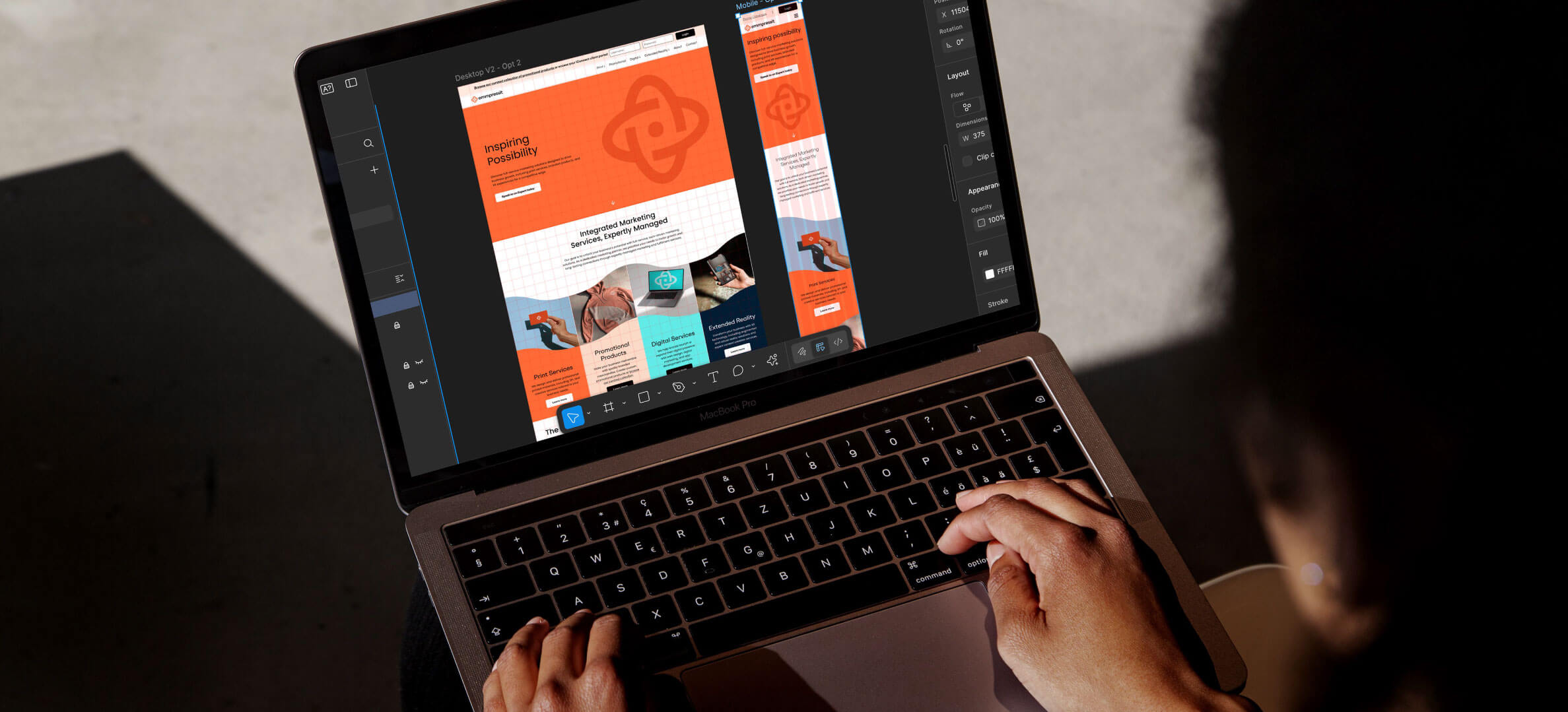


Digital marketing has evolved into an essential business channel. A website operates as a 24/7 salesperson, allowing companies to bring in leads, enhance customer interaction, and establish trust with a global audience. Whether your industry involves transportation, fashion, or home improvements, your online presence significantly influences customer decisions.
The 7C's framework provides foundational principles for creating user-friendly, engagement-focused websites that help small businesses differentiate themselves.
1. Context
Your design should align with specific business objectives:
- Service-based businesses (plumbers, contractors) should prioritise quick contact access, phone numbers, and booking forms
- E-commerce and hospitality sites should emphasise easy browsing, checkout processes, and appointment scheduling
- Site structure — from navigation to page hierarchy — must serve your primary business goal
2. Content
Design captures attention; content keeps visitors engaged. Key strategies:
- Craft benefit-driven copy addressing customer pain points
- Deploy engaging headlines and concise paragraphs
- Use authentic imagery (team photos, projects, locations) to establish credibility
- Optimise content for search engines to enhance visibility
Pair quality content with solid web development to ensure smooth performance and device compatibility.
3. Community
Build loyalty through community integration:
- Embed social media feeds and share functionality
- Display customer testimonials and reviews prominently
- Maintain a blog or news section with tips, updates, and behind-the-scenes stories
- Foster interaction through comments, newsletters, and social channels
4. Customisation
Stand out by creating distinctive designs reflecting your brand identity:
- Develop unique typography and colour palettes
- Establish consistent tone of voice
- Incorporate branded icons and service highlights
- Create a custom About Us section
Professional, authentic designs drive customer trust and action.
5. Communication
Effective communication is essential. Implement these principles:
- Maintain clear, intuitive navigation without confusing menus
- Place contact information in accessible locations
- Embrace clean design that focuses visitor attention
- Avoid unnecessary details that distract from your message
Clear communication guides visitors through their journey and encourages engagement.
6. Connection
Excellence transcends aesthetics. Build emotional resonance by:
- Investing in high-quality, realistic imagery
- Selecting colours aligned with brand identity
- Ensuring brand voice consistency across all content
- Creating messaging that resonates with audience values
Emotional connections increase brand recognition and recall.
7. Commerce
Transform interest into action:
- Highlight primary offerings above the fold
- Deploy trust signals (reviews, certifications, guarantees)
- Streamline checkout or contact forms
- Test and optimise CTA placement and button colours
The goal: make purchases or bookings effortless.
FAQs
How long does it take to design a website?+
Timeline varies by complexity. Simple business websites may take weeks; e-commerce or custom builds could require months.
Do I need a professional designer?+
Professional developers and designers create responsive, conversion-optimised sites that function smoothly across all devices.
Web design vs web development — what's the difference?+
Design focuses on appearance, mood, user experience, and branding. Development handles code, functionality, and performance. Both are necessary for a successful web presence.
How frequently should I update my website?+
Refresh content every 2–3 months and conduct comprehensive overhauls every 2–3 years to maintain current trends and technology standards.